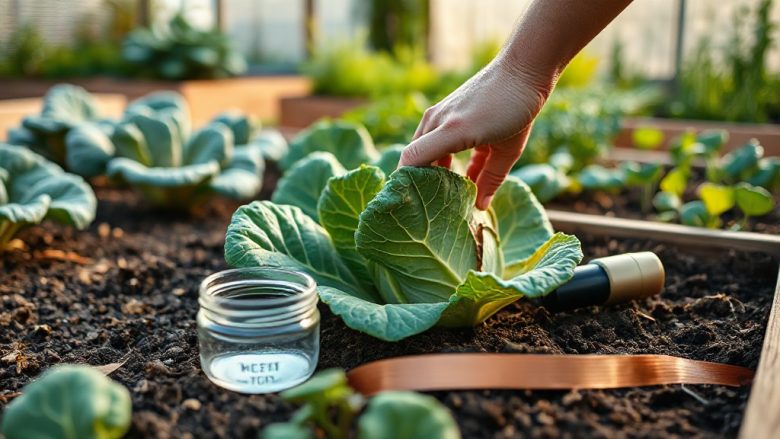
Something is eating your vegetables. Before you reach for a spray, look at the damage. Chewed leaves, curled shoots, spotted foliage and sudden wilting are four different problems, and each one points to a different culprit. Organic pest control for vegetable gardens works best when you treat the symptom you can see rather than the pest you imagine, because most sprays, even gentle ones, kill the predators that would have done the job for you.
I walk my beds every morning with a torch in one hand and a jar in the other. Nine times out of ten, the fix starts with a pair of gloves, not a bottle. Here is how to read the damage, identify the likely pest, and respond in the least invasive way that still saves the crop.
Quick Diagnostic Table: Match Your Damage to the Likely Pest
Read across the row that looks most like your garden. If two rows fit, you probably have two problems, which is normal in a mixed bed.
| Damage sign | Where you see it | Likely culprit | First response |
|---|---|---|---|
| Large ragged holes, whole leaves gone | Outer leaves, seedlings flattened | Slugs, snails, caterpillars | Night torch check, hand-pick, barrier |
| Small shot-holes, fine webbing | Leaf undersides, new growth | Flea beetles, spider mites | Row cover, water spray, encourage predators |
| Curled, puckered or sticky shoots | Tips of beans, brassicas, peppers | Aphids, whitefly | Blast with water, soap only if needed |
| Sudden wilting, stems cut at soil level | Base of transplants, young plants | Cutworms, root maggots, vine weevil | Collar the stem, dig and inspect soil |
Match your garden to one pattern before doing anything else. A plant that is wilting is not being chewed, and spraying it for caterpillars wastes time and kills the ground beetles working the soil beneath it.
Chewed Leaves: Slugs, Snails and Caterpillars
Big, ragged holes with clean edges usually mean something with a mouth large enough to take a bite. Slugs and snails leave a silvery trail and do most of their damage after dark, especially on wet evenings. Caterpillars leave dark green droppings, called frass, on the leaves below where they feed. Cabbage whites, loopers and tomato hornworms all fall into this group.
The first move is a torch check about an hour after sunset. Pick slugs and snails by hand and drop them into a jar of salty water. It is unpleasant, but ten minutes of night work can clear a bed for a week. For caterpillars, inspect the undersides of leaves in the middle of the day and pick them off, then check again every few days because eggs hatch in waves.
If hand-picking is not enough, barriers come next. A copper tape ring around raised beds gives slugs a mild shock and discourages them. A collar of cardboard or a cut plastic bottle around the stem of transplants stops cutworms and keeps slugs off young plants. Diatomaceous earth works in dry weather but turns to paste in rain, so reapply after wet nights.
Only after those steps would I consider a biological control. Bacillus thuringiensis is a soil bacterium that targets caterpillars and breaks down in sunlight, so it has little effect on bees or beetles. Use it on brassicas and tomatoes when caterpillars are small, and spray in the evening when pollinators are done for the day. For slugs, nematodes watered into damp soil in early autumn reduce the next generation before winter.
Curled and Sticky Shoots: Aphids, Whitefly and Thrips
Curling leaves with a sticky film on top are almost always aphids. The stickiness is honeydew, and if you look closely you may see ants farming the aphids for it. Whitefly clouds rise when you brush a plant, and thrips leave silvery streaks and tiny black specks on leaves. All three suck sap from new growth, so damage shows up first at the tips.
A strong jet of water from a hose knocks aphids off and they rarely climb back. Do this every morning for a week and you will often break the cycle without anything else. Squash any you see by hand, and remove the worst leaves into a bucket rather than the compost heap.
Ladybirds, lacewings and hoverfly larvae eat aphids in huge numbers. Plant dill, fennel and calendula nearby to bring them in, and leave a few flowering herbs standing through summer. If you must spray, use a diluted soft soap solution on cool evenings, targeting the undersides of leaves, and rinse it off the next morning. Soap kills aphids on contact but does nothing once dry, so it will not harm pollinators that arrive later.
For whitefly in a greenhouse, yellow sticky traps catch adults and help you judge whether numbers are falling. Thrips are harder. Blue sticky traps work better for them, and removing affected flowers and leaves early stops the spread. None of these are instant fixes, but they keep the population low enough that plants keep growing.
Spotted and Skeletonised Leaves: Flea Beetles and Mites
Small round holes that look like shotgun pellets are flea beetle damage, and brassica seedlings are their favourite target. They jump when disturbed, which makes them hard to catch. Spider mites are the opposite: they are barely visible, and they leave fine webbing and pale stippling on the undersides of leaves, often in hot dry spells.
Flea beetles are easiest to manage with a physical barrier. A fine insect mesh row cover over seedlings, tucked into the soil at the edges, keeps them off until plants are big enough to shrug off the damage. Watering in the morning and keeping the soil surface moist also helps, because flea beetles prefer dry conditions.
Spider mites thrive when plants are stressed, so the first response is to keep watering steadily and mist the undersides of leaves in hot weather. A hard water spray dislodges them and breaks the webbing. Predatory mites are available for greenhouse crops and will establish if humidity is kept moderate. Avoid broad-spectrum sprays here, because they wipe out the predators that keep mites in check.
Wilting and Collapsing Plants: Soil-Dwelling Pests
A plant that wilts overnight and has a stem cut cleanly at soil level has been attacked by cutworms. Dig around the base and you will often find a fat, curled caterpillar just below the surface. Vine weevil grubs do similar damage to roots, and root maggots tunnel into radishes, onions and carrots, leaving rusty brown channels.
For cutworms, a collar of cardboard pushed an inch into the soil around each transplant stops them reaching the stem. For root maggots, fine mesh over the bed prevents the adult flies from laying eggs at the base of plants, and rotating crops so brassicas and onions do not follow themselves in the same spot breaks the cycle. Vine weevil grubs are best dealt with by digging through the soil around affected plants and removing them by hand, then applying beneficial nematodes to damp soil in late summer.
None of these pests respond to leaf sprays, which is why identifying the problem matters. A wilting plant is a soil problem, and the answer is in the soil.
Prevention Habits That Reduce Next Season’s Problems
Most of the work happens before the pest arrives. Rotate your crops so the same family does not sit in the same bed two years running, because pests that overwinter in soil will find fresh hosts waiting if you plant the same thing again. Keep a rough plan of what grew where, even a simple sketch, and you will avoid the most common mistake organic growers make.
Encourage predators by leaving some flowering herbs and a patch of undisturbed ground. Ground beetles, centipedes and spiders patrol the soil at night and eat slugs and cutworms. A small log pile or a few stones at the edge of the bed gives them somewhere to shelter.
Water in the morning so foliage dries before evening, which reduces slug activity and fungal problems. Clean up crop debris at the end of the season rather than leaving it over winter, and turn the top layer of soil so birds can pick off overwintering larvae. Check new plants before bringing them into the garden, because pests often arrive on nursery stock.
Finally, accept some damage. A few chewed leaves will not cost you the harvest, and a garden with a little pest life in it supports the predators that keep the serious outbreaks in check. Organic pest control for vegetable gardens is less about winning a war and more about keeping the balance tipped your way.
Frequently Asked Questions
What is the fastest organic way to stop slugs eating seedlings?
Hand-picking after dark is the fastest single action, followed by a physical barrier such as copper tape or a cardboard collar around the stem. Both work immediately and do not harm other wildlife.
Can I use soap spray on all my vegetables?
Soft soap is safe on most leafy crops but can burn delicate leaves in strong sun. Spray on a cool evening, test one leaf first, and rinse the next morning. Avoid it on plants with waxy or hairy leaves, where it can cause damage.
How do I know if wilting is a pest or a watering problem?
Water the plant and check again an hour later. If it recovers, it was dry soil. If it stays limp and the stem is cut or tunnelled at the base, dig gently around the roots and look for cutworms, grubs or maggots.
Will encouraging predators really control aphids?
Yes, given time. Ladybirds and hoverfly larvae can clear a heavy aphid colony in a few days if you avoid spraying. Plant flowering herbs nearby and leave them standing to give those predators somewhere to live.