tk999 and the Clock: When Betting Fits Your Day
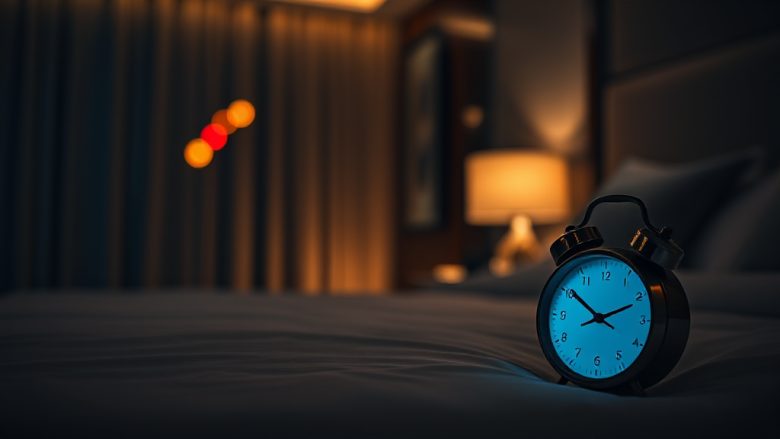
It is 1:47 a.m. The room is dark except for the phone screen, still glowing, still open on tk999. You told yourself you would check one market before bed. That was two hours ago. Nobody decides to drift into late-night app use; it forms quietly, one ‘just five more minutes’ at a time. The practical question is not whether you enjoy betting, but when in your day it actually belongs.
Time is the one stake you cannot top up. Treating tk999 as a scheduled activity rather than a reflex is the simplest way to keep it from quietly expanding into the hours you need for sleep, work and people. This guide walks through the day in blocks, showing how timing changes the experience and where the small leaks usually appear.
Morning: Set the Frame Before the Screen
Mornings are for orientation, not reaction. If the first thing you do is open a betting app, you hand your attention to whatever odds happened overnight before you have decided what your day needs. A calmer pattern is to check messages, breakfast and your calendar first, then decide whether there is any reason to look at all.
Most people do not need a morning betting session. Fixtures and markets will still be there later, and the value of a planned look is higher than the value of a reflexive one. If you do open tk999 early, keep it to a fixed window — five or ten minutes — and close it before you start work.
A short morning checklist
- Decide the night before whether tomorrow needs any betting attention at all.
- Check the day’s commitments first so you know your real free time.
- Set a timer before opening the app, not after.
- Leave notifications off until you have finished your first task of the day.
This is also the best moment to review yesterday’s decisions with a clear head. A two-line note — what you intended, what you actually did — takes less time than a single scroll and tells you more.
The Commute and Lunch Break: Small Windows, Clear Edges
The commute is where many users first install a mobile betting app, because a train or bus feels like dead time. It can be a reasonable slot, but only if it has edges. A journey with a known start and end is naturally bounded; a lunch break with no plan is not.
Use the commute for reading and deciding, not for reacting to live movement. Short windows work best when the decision is already made. If you find yourself opening the app repeatedly on the same journey, that is a sign the window is too loose.
What fits in a lunch break
A lunch break is usually 30 to 60 minutes, and eating should come first. If you want to check a market, do it after food, in one sitting, with a clear stop point. Avoid stacking betting on top of three other tasks; the combination is what turns a break into a rushed, regretful ten minutes.
On days when work is heavy, the honest answer is that no window exists. Skipping a day costs nothing. Forcing a session into a gap that is not really there is where mistakes cluster.
Evening: The Main Window, and the One That Grows
Evening is the natural home for most betting activity: fixtures are live, the day’s work is done, and there is room to think. This is the block to protect and define. Decide in advance how long it lasts and what it is for — research, a specific event, or simply checking results.
The evening is also where time quietly stretches. One match becomes a second, a second becomes a scroll through unrelated markets, and suddenly the planned hour is three. A simple rule helps: when the event you came for ends, the session ends. Close the app before you start browsing.
Separate research from play
These are different activities and they deserve different slots. Research — reading form, comparing markets, planning — is best done earlier and briefly. Play happens when the event is on. Mixing them in one long evening block is what makes the clock disappear.
Keep the phone out of reach during meals and family time. A device on the table is an invitation to check; a device in another room is not.
Late Night: Where the Pattern Forms
The late-night session is rarely planned. It starts as a check, continues as curiosity and ends when fatigue wins. This is the block where decision quality is lowest and the sense of time is weakest. If you recognise the 1 a.m. glow, that is the pattern to interrupt first.
Two changes make the biggest difference. First, set a hard stop time and an alarm that is not on the phone you are using. Second, decide what the last action of the night will be — closing the app, not one more look. If you cannot name a stop point, the session has no end.
Signs the late block is drifting
- You are checking markets you never planned to look at.
- You have lost track of how long the app has been open.
- You are making decisions you would not make at midday.
- Sleep is being shortened to fit in one more look.
None of these are dramatic on their own. Together they describe a habit that has stopped being scheduled and started being automatic. The fix is structural, not motivational: move the phone, set the stop, and make tomorrow’s first hour screen-free.
A weekly review ties the whole day together. Once a week, look back at when you actually used tk999, which sessions felt worthwhile and which felt like drift. Adjust one block at a time rather than rebuilding everything at once. Over a few weeks, the clock stops being something that happens to you and becomes something you set.